

For many years, education was mainly focused on academics. However, today we know that educating a student goes far beyond the traditional classroom content.
More and more studies in education and child development agree on one thing: children learn better when they can explore different ways of thinking, creating, moving, working as a team, and discovering their interests.
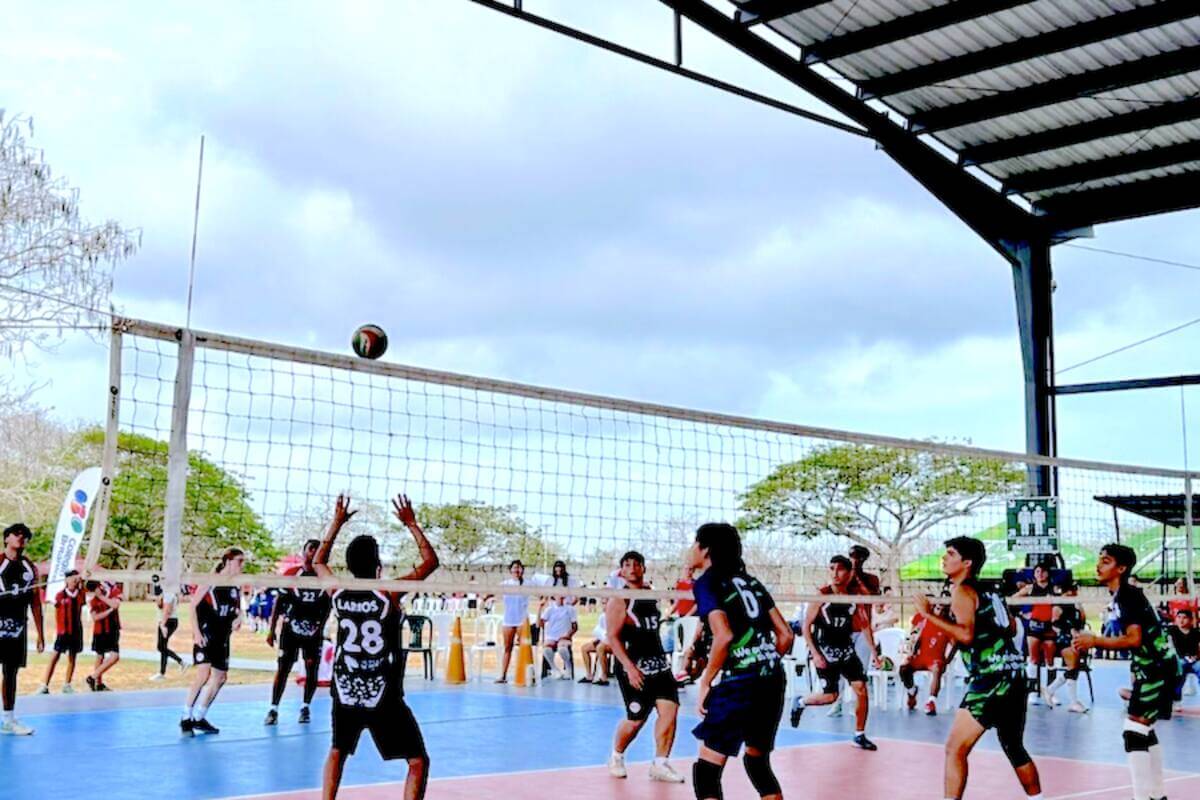
That is why, in holistic educational models, sports and projects are no longer seen as “complementary” activities, but as an essential part of the curriculum.
At Colegio Británico de Cartagena, our students experience these opportunities every school cycle:
3 days of sports
3 days of projects
Not as extracurricular activities, but as intentionally designed learning spaces that strengthen physical, cognitive, emotional, and social skills.
But why does it make such a difference to experience them during the school day?
1. Because Learning Does Not Happen Only in the Classroom
Educational research has shown that experiences such as sports, arts, research, and collaborative projects strengthen essential life skills, including:
critical thinking
creativity
leadership
communication
problem-solving
teamwork
According to UNESCO and different studies on holistic education, students develop deeper learning when they actively participate and connect theory with real-life experiences.
That is why school projects allow children not only to learn concepts, but also to learn how to apply them.
2. Sports Strengthen Much More Than the Body
Various studies have found a positive relationship between regular physical activity and areas such as:
concentration
memory
emotional regulation
self-esteem
academic performance
But the greatest value of sports within school lies in what it teaches beyond the scoreboard:
discipline
resilience
frustration management
commitment
teamwork
When sports are part of the curriculum, they stop being only competition and become a powerful educational tool.
3. Projects Spark Curiosity and Purpose
Project spaces allow students to explore interests, create, investigate, and develop their own initiatives.
This strengthens something essential in modern education: the ability to learn by doing.
Through projects, children develop autonomy, confidence, and the skills to face real-world challenges, while discovering talents and interests that often do not emerge in a traditional classroom.
4. Every Student Has Access to These Experiences
When sports and projects are integrated into the school day, every child participates.
This removes barriers related to time, transportation, or outside schedules, ensuring that each student has the opportunity to grow holistically and discover new abilities.
5. There Is Constant Educational Guidance
As part of the curriculum, these experiences include continuous support and guidance from teachers and coaches.
This allows learning to be more intentional, organized, and aligned with the overall development of each student.
6. A Better Balance in Children’s Lives Is Created
Integrating sports and projects into the school schedule also has a positive impact on wellbeing.
Students can learn, move, create, and explore within a balanced routine, avoiding overload after classes and allowing more time for rest and family.
Education Is Also About Giving Space to Discover
At Colegio Británico de Cartagena, we believe that quality education is not measured only by academics, but also by the ability to develop confident, curious, active, and life-ready students.
That is why sports and projects are not an “extra” in our educational approach.
They are an essential part of how we understand learning.
Because many of the most important skills for the future… are also learned outside the classroom.